

By Staff Reporter: As conversations around inclusive education gain momentum in India, experts are calling for a deeper shift in how schools understand disability rights—not as a form of accommodation, but as a pathway to participation, confidence, and holistic development.
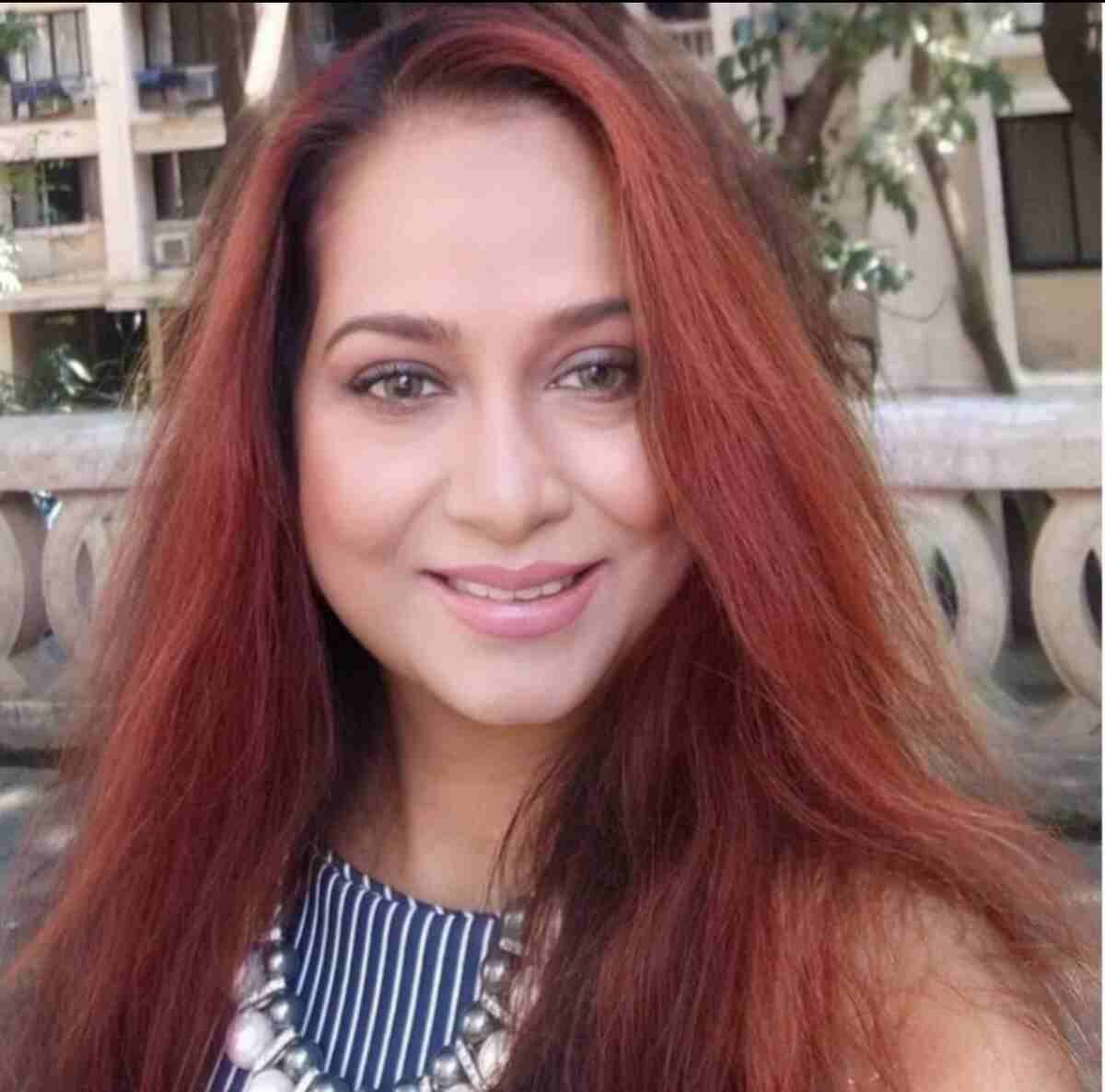
Ocean educator and accessibility advocate Elsie Gabriel, founder of Accessible Ocean Tourism, believes that disability inclusion in education must move beyond classroom-based support to include experiential learning opportunities that engage the body, mind, and environment.
“Every child learns differently,” she says. “But when students with learning disabilities or cognitive challenges are given structured opportunities to engage in sport, water activities, and nature-based learning, they often discover abilities that traditional systems overlook.”
Rethinking Disability in Education
Across schools, students with learning disabilities, autism spectrum conditions, ADHD, sensory processing differences, and other neurodiverse profiles are often placed in segregated learning environments or offered limited participation in physical and experiential activities.
While intended as support, such approaches can sometimes lead to isolation and reduced self-confidence.
Advocates argue that disability rights in education must prioritize inclusion, participation, and equal opportunity—not separation.
“Screening should never become exclusion,” Gabriel emphasizes. “It should become the starting point for support systems that enable participation.”
The Transformative Power of Sport and Water-Based Learning
Sports such as football, swimming, athletics, and outdoor adventure activities have long been recognized as powerful tools for cognitive and emotional development. For students with learning disabilities, structured physical engagement can improve:
- focus and attention span
- coordination and motor skills
- social interaction and teamwork
- emotional regulation
- confidence and self-expression
Water-based activities, in particular, offer unique benefits.
Swimming, snorkeling, and controlled aquatic experiences are increasingly being used in therapeutic and educational contexts to support neurodiverse learners. The sensory environment of water—calm, structured, and immersive—can help reduce anxiety and enhance concentration.
“In water, many students experience a sense of freedom they do not always feel on land,” Gabriel explains. “It is not just recreation—it is transformation.”
Introducing Ocean Literacy and Scuba Diving as Learning Pathways
India’s extensive coastline, island ecosystems, and rapidly developing marine tourism infrastructure present a significant opportunity for inclusive education models.
From Goa and Kerala to the Andaman & Nicobar Islands and Lakshadweep, dive centres, water sports operators, and marine education providers are expanding across the country.
Gabriel believes this growth presents a unique opportunity to integrate accessible ocean tourism into education systems.
With appropriate safety protocols, trained instructors, and special educators, schools and colleges can introduce:
- introductory ocean literacy programmes
- controlled snorkeling experiences
- adaptive swimming and water confidence sessions
- basic scuba diving exposure programmes for older students
- marine biodiversity education linked to field experiences
“Scuba diving is not only a sport,” she says. “It is a structured environment that teaches discipline, breathing control, awareness, and trust. These are life skills that benefit all students, especially those with learning differences.”
The Role of Special Educators and Inclusive Infrastructure
To make such initiatives effective, experts emphasize the need for trained special educators and inclusive learning design within schools.
Key recommendations include:
- integrating special educators into sports and outdoor learning programmes
- training teachers in neurodiversity and inclusive physical education
- ensuring risk-assessed participation frameworks for outdoor activities
- collaborating with certified dive centres and water sports providers
- developing school-level ocean literacy modules
- creating individualized learning support plans for experiential education
“Inclusion is not about lowering standards,” Gabriel notes. “It is about removing barriers so every student can access the same opportunities.”
India’s Coastal Advantage in Inclusive Education
With over 7,500 kilometres of coastline and growing marine tourism infrastructure, India is uniquely positioned to lead in integrating ocean-based experiential learning into education.
Coastal states and island territories already host established dive centres, marine parks, and water sports hubs that can collaborate with schools and educational institutions.
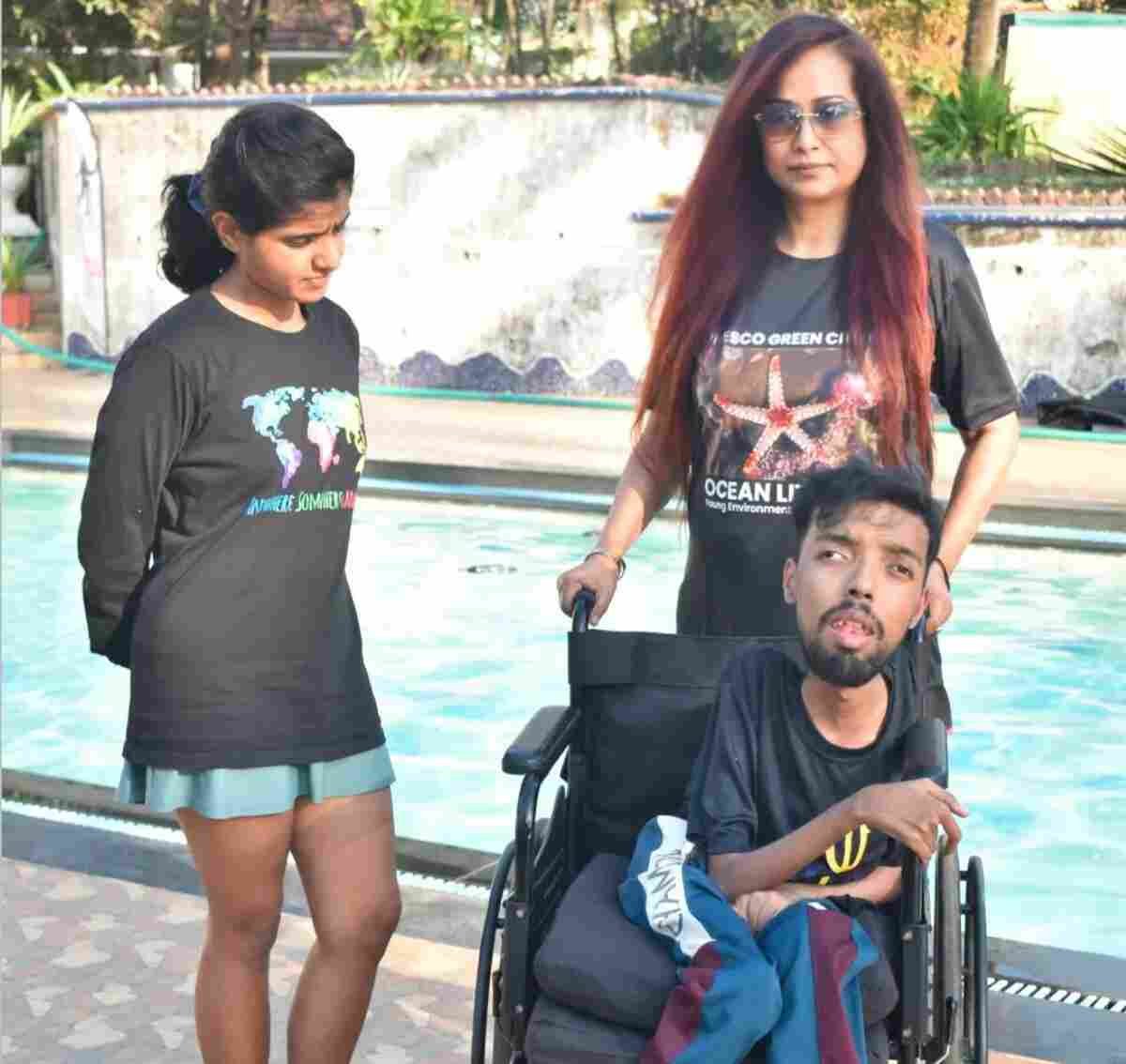
This creates opportunities not only for student development but also for expanding India’s blue economy through responsible, inclusive tourism and education partnerships.
From Alienation to Empowerment
One of the key challenges faced by students with learning disabilities is social isolation within mainstream education systems.
Inclusive sports and experiential programmes help shift this narrative by placing students in environments where teamwork, participation, and achievement are visible and valued.
“When students are included in activities like swimming, sports, or ocean exploration, they stop being defined by limitations and start being seen for their potential,” Gabriel says.
A Call for Educational Reform
Advocates are urging policymakers, school boards, and educational institutions to recognize disability inclusion as a core component of educational quality.
Gabriel calls for a future where schools:
- integrate inclusive sports and outdoor learning into curricula
- partner with ocean and adventure tourism providers
- invest in accessibility training for educators
- normalize participation of neurodiverse students in experiential learning
- build pathways from school education to environmental leadership and vocational opportunities
A New Vision of Learning
As India continues to expand its educational and tourism ecosystems, the intersection between disability rights, experiential learning, and ocean engagement offers a powerful opportunity for transformation.
For Elsie Gabriel, the vision is clear.
“Every child deserves the chance to discover their strength—in classrooms, on playing fields, and even beneath the surface of the ocean,” she says. “When we open these experiences to all learners, we are not just educating students. We are empowering future leaders.”
In this evolving landscape, accessible ocean tourism is no longer just a travel concept—it is becoming a model for inclusive education, youth empowerment, and national development.

